
Understanding What May Be In Your Drinking Water
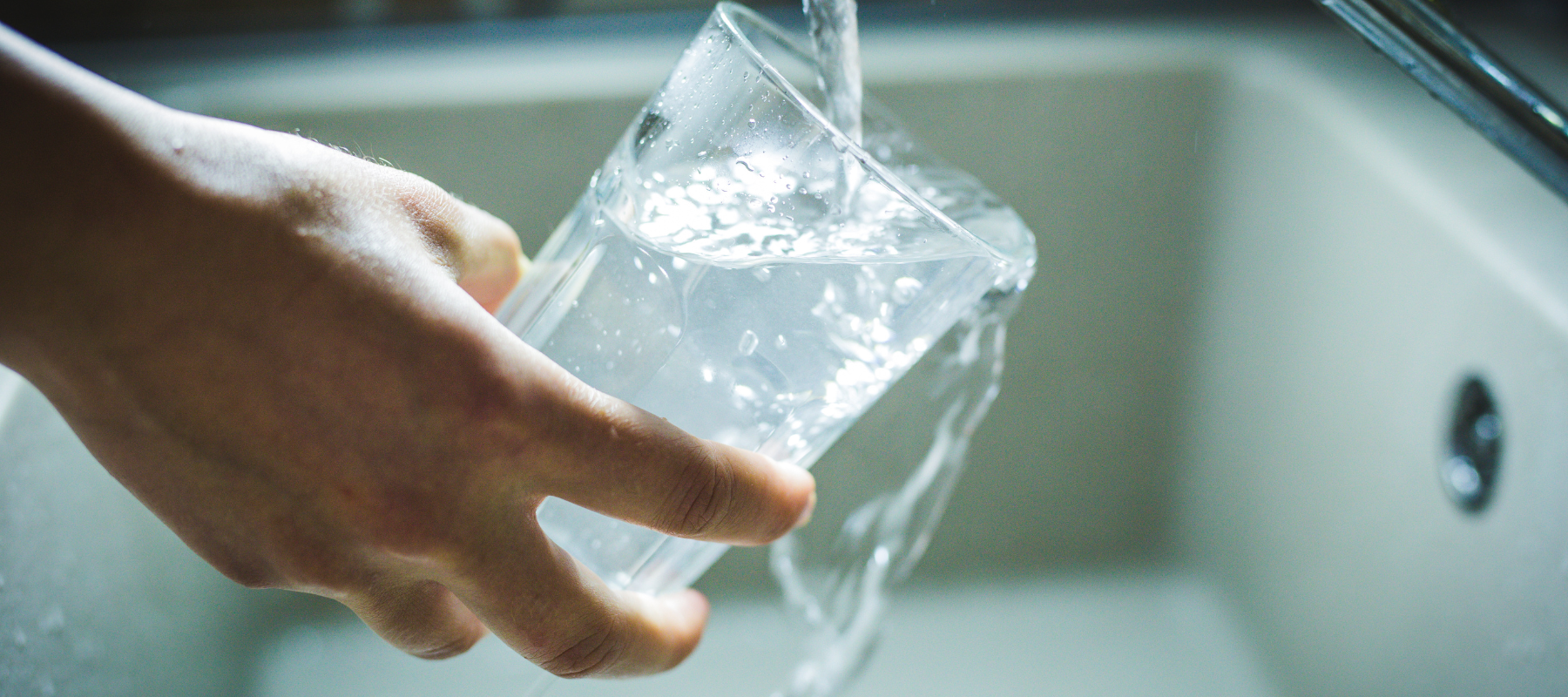
You can’t always tell what’s in your drinking water by pouring a glass. Some substances don’t noticeably change the way your water looks, tastes or smells. PFAS, often referred to as “forever chemicals,” fall into that category, which can leave homeowners with questions about what they are, how they get into water and what treatment options may help reduce them.
Southwest Water Treatment has helped Yuma-area homeowners better understand and treat their water since 1988. As an authorized, independent Kinetico dealer, we offer drinking water filtration options designed to address different water concerns. If PFAS are on your radar, understanding how filtration works is a good place to start.
What Are PFAS, Or Forever Chemicals, In Drinking Water?
PFAS, or per- and polyfluoroalkyl substances, are a large group of manufactured chemicals commonly referred to as “forever chemicals” because they break down very slowly over time. They have been used for decades in a variety of consumer and industrial products.
PFAS can make their way into water sources and eventually into drinking water. Unlike hard water minerals that leave scale around faucets or chlorine that may affect the way water tastes or smells, PFAS generally don’t leave an obvious sign that they’re present.
That’s why understanding your drinking water matters. You shouldn’t expect to identify every water-quality concern based on what you can see or taste at the tap.
Why Are Homeowners Paying More Attention To PFAS?
PFAS have received growing attention as more people have learned about their presence in drinking water and the environment. For homeowners, that has naturally led to more questions about the water they use for drinking and cooking every day.
It has also created plenty of confusion about filtration. A filter isn’t automatically designed to address every substance that could be present in water, and different treatment technologies serve different purposes.
If PFAS are a specific concern, the goal is to choose a drinking water treatment system that is designed and tested to reduce them.
How To Remove PFAS From Drinking Water
Not every water filtration system is designed to reduce PFAS. Activated carbon, ion exchange and reverse osmosis are among the treatment technologies used to address these substances in drinking water.
For homeowners, the important distinction is that different filtration systems serve different purposes. A basic filter may work very differently from a system designed to reduce specific substances.
That’s why it’s important to look at what a system is designed and certified to reduce. If PFAS reduction is a priority for your household, the performance and capabilities of the specific system matter.
What Does An RO System Do?
A reverse osmosis system, often shortened to an RO system, treats drinking water by moving it through a specialized membrane. That membrane helps separate water from many dissolved substances that might otherwise remain in your drinking water.
Reverse osmosis water filtration provides a more targeted approach to drinking water treatment than many basic filters. These systems are often installed near the point where you use your drinking water, such as beneath the kitchen sink. That gives you treated water for drinking, preparing meals and other everyday uses without treating every gallon used throughout the house.
Does Reverse Osmosis Reduce PFAS?
Yes, reverse osmosis is a treatment technology used to reduce certain PFAS in drinking water. However, that doesn’t mean every RO system is interchangeable.
Individual systems have different performance claims and certifications. If reducing PFAS is one of the reasons you’re considering reverse osmosis, it’s important to choose equipment specifically tested for that purpose.
Maintenance matters, too. Filters and membranes need to be replaced according to the system’s recommended schedule so your RO system continues working as intended.
Better Drinking Water Starts With The Right Treatment
If PFAS are a concern in your drinking water, understanding your treatment options is a good place to start. The right system depends on what you want to address and how you use water in your home.
Southwest Water Treatment has helped Yuma-area homeowners find the right water treatment solutions since 1988. Talk with our local team about reverse osmosis water filtration and find an option that fits your home and drinking water needs.